

CyberRidge for Critical Infrastructure
Build resilience on the links that keep critical services running with no disruptions
CyberRidge Carmel is a Photonic Layer Security system for the fiber that connects critical infrastructure. It spreads, encrypts and buries the optical signal below the noise floor, so traffic along pipelines, rail lines and power corridors cannot be recorded or mapped. It is deployed alongside existing infrastructure, adds zero latency and runs on existing multi-vendor DWDM.
Security for Infrastructure built to last decades
Block reconnaissance
Recorded traffic helps attackers map how infrastructure is controlled. With headers and routing information buried below the optical noise floor, there’s nothing for them to learn.
Protection for long asset lifecycles
Infrastructure stays in service for decades. Physical-layer protection doesn’t rely on encryption algorithms holding against future computing advances.
Secure long-distance links
Carmel has been demonstrated over fiber lengths of more than 300 km, including amplified links, so it suits regional and long-haul routes. The technology has no inherent distance limit.
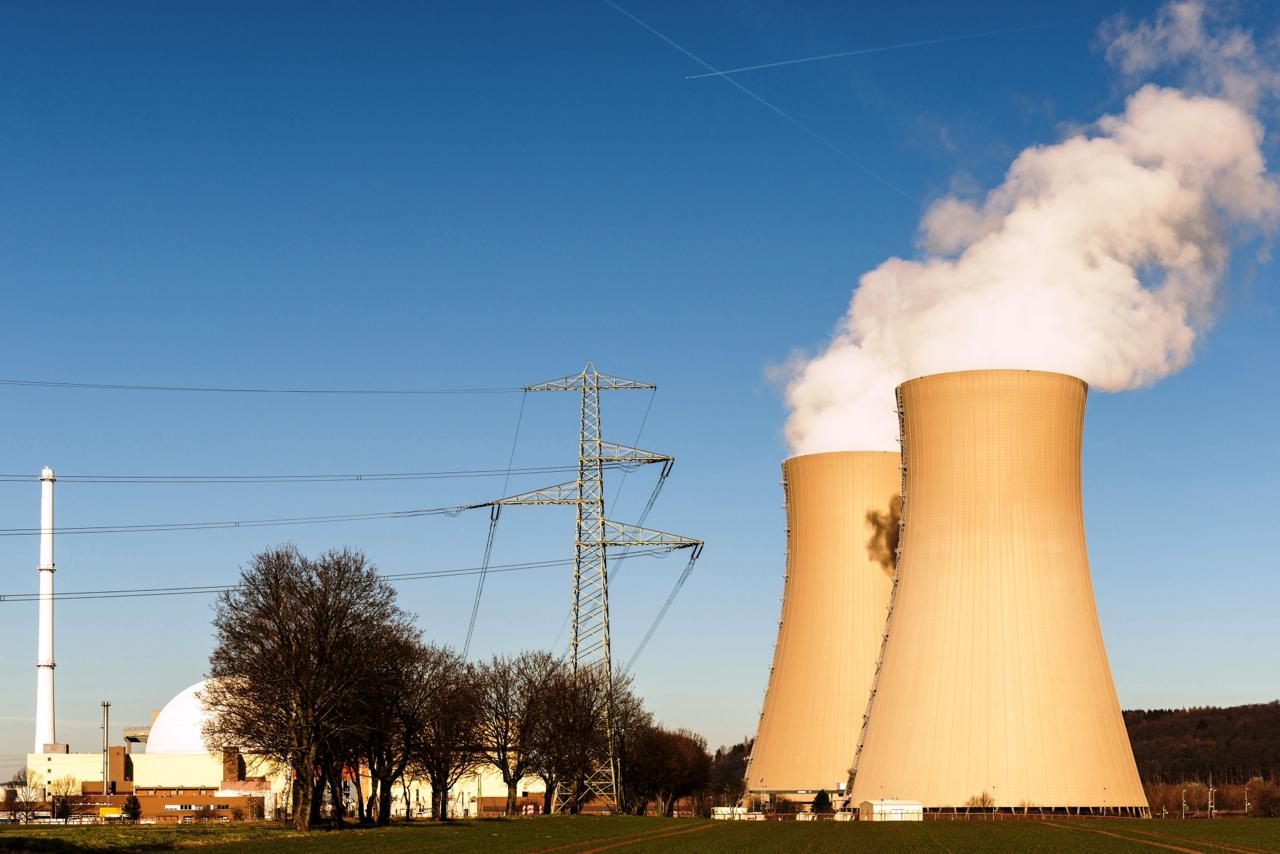
How Carmel fits operational networks
No disruption to operations
Carmel is deployed alongside existing infrastructure and adds zero latency. The physics-based solution runs on existing multi-vendor DWDM.
Protect the data, bury the signal
The signal is spread across a multi-terahertz spectrum, encrypted and buried below the optical noise floor.
Sub-second key changes
Optical keys change multiple times per second and travel embedded in light, not stored digitally on the link.
Layered with existing cryptography
Complements PQC, TLS and IPsec in a defense-in-depth architecture.
Frequently asked questions
Why are fiber links along pipelines, rail lines and power corridors a security risk?
This fiber runs through remote areas that are hard to guard. Recorded traffic helps attackers map how infrastructure is controlled, and it can be stored for later decryption. CyberRidge Carmel buries the signal, including headers and routing information, below the optical noise floor, so there is nothing to record or learn.
Will adding link protection disrupt operations?
CyberRidge Carmel is deployed alongside existing infrastructure, runs on existing multi-vendor DWDM and adds zero latency.
Why does physical-layer protection suit assets with long lifecycles?
Infrastructure stays in service for decades. Physical-layer protection does not rely on encryption algorithms holding against future computing advances, because traffic that was never recordable cannot be decrypted later.
Does Carmel work over long-distance links?
Yes. CyberRidge Carmel has been demonstrated over fiber lengths of more than 300 km and operates over links with EDFA and Raman amplification. The technology has no inherent distance limit.
Proven in the field
Telecom Italia: 100 Gb/s over more than 200 km of live fiber
In a joint proof of concept with Telecom Italia (now FiberCop), Photonic Layer Security carried 100 Gb/s across more than 200 km of live DWDM fiber in Torino, Italy, alongside conventional channels on the same fiber.
See the published papersDiscover how photonic layer security was deployed at a tier-1 telco
